Cart
0
You may also like


 LIMITED OFFER: Unlock a Free Gift 🛍️
BUY MORE, SAVE UP TO 25%
FLEXIBLE PAYMENT OPTIONS
100% SECURE CHECKOUT
30-DAY MONEY-BACK GUARANTEE
FREE TRACKED SHIPPING WORLDWIDE
LIMITED OFFER: Unlock a Free Gift 🛍️
BUY MORE, SAVE UP TO 25%
FLEXIBLE PAYMENT OPTIONS
100% SECURE CHECKOUT
30-DAY MONEY-BACK GUARANTEE
FREE TRACKED SHIPPING WORLDWIDE
LIMITED OFFER: Unlock a Free Gift 🛍️
BUY MORE, SAVE UP TO 25%
FLEXIBLE PAYMENT OPTIONS
100% SECURE CHECKOUT
30-DAY MONEY-BACK GUARANTEE
FREE TRACKED SHIPPING WORLDWIDE
LIMITED OFFER: Unlock a Free Gift 🛍️
BUY MORE, SAVE UP TO 25%
FLEXIBLE PAYMENT OPTIONS
100% SECURE CHECKOUT
30-DAY MONEY-BACK GUARANTEE
FREE TRACKED SHIPPING WORLDWIDE
LIMITED OFFER: Unlock a Free Gift 🛍️
BUY MORE, SAVE UP TO 25%
FLEXIBLE PAYMENT OPTIONS
100% SECURE CHECKOUT
30-DAY MONEY-BACK GUARANTEE
FREE TRACKED SHIPPING WORLDWIDE
LIMITED OFFER: Unlock a Free Gift 🛍️
BUY MORE, SAVE UP TO 25%
FLEXIBLE PAYMENT OPTIONS
100% SECURE CHECKOUT
30-DAY MONEY-BACK GUARANTEE
FREE TRACKED SHIPPING WORLDWIDE
LIMITED OFFER: Unlock a Free Gift 🛍️
BUY MORE, SAVE UP TO 25%
FLEXIBLE PAYMENT OPTIONS
100% SECURE CHECKOUT
30-DAY MONEY-BACK GUARANTEE
FREE TRACKED SHIPPING WORLDWIDE
LIMITED OFFER: Unlock a Free Gift 🛍️
BUY MORE, SAVE UP TO 25%
FLEXIBLE PAYMENT OPTIONS
100% SECURE CHECKOUT
30-DAY MONEY-BACK GUARANTEE
FREE TRACKED SHIPPING WORLDWIDE
LIMITED OFFER: Unlock a Free Gift 🛍️
BUY MORE, SAVE UP TO 25%
FLEXIBLE PAYMENT OPTIONS
100% SECURE CHECKOUT
30-DAY MONEY-BACK GUARANTEE
FREE TRACKED SHIPPING WORLDWIDE
LIMITED OFFER: Unlock a Free Gift 🛍️
BUY MORE, SAVE UP TO 25%
FLEXIBLE PAYMENT OPTIONS
100% SECURE CHECKOUT
30-DAY MONEY-BACK GUARANTEE
FREE TRACKED SHIPPING WORLDWIDE
LIMITED OFFER: Unlock a Free Gift 🛍️
BUY MORE, SAVE UP TO 25%
FLEXIBLE PAYMENT OPTIONS
100% SECURE CHECKOUT
30-DAY MONEY-BACK GUARANTEE
FREE TRACKED SHIPPING WORLDWIDE
LIMITED OFFER: Unlock a Free Gift 🛍️
BUY MORE, SAVE UP TO 25%
FLEXIBLE PAYMENT OPTIONS
100% SECURE CHECKOUT
30-DAY MONEY-BACK GUARANTEE
FREE TRACKED SHIPPING WORLDWIDE
LIMITED OFFER: Unlock a Free Gift 🛍️
BUY MORE, SAVE UP TO 25%
FLEXIBLE PAYMENT OPTIONS
100% SECURE CHECKOUT
30-DAY MONEY-BACK GUARANTEE
FREE TRACKED SHIPPING WORLDWIDE
LIMITED OFFER: Unlock a Free Gift 🛍️
BUY MORE, SAVE UP TO 25%
FLEXIBLE PAYMENT OPTIONS
100% SECURE CHECKOUT
30-DAY MONEY-BACK GUARANTEE
FREE TRACKED SHIPPING WORLDWIDE
LIMITED OFFER: Unlock a Free Gift 🛍️
BUY MORE, SAVE UP TO 25%
FLEXIBLE PAYMENT OPTIONS
100% SECURE CHECKOUT
30-DAY MONEY-BACK GUARANTEE
FREE TRACKED SHIPPING WORLDWIDE
LIMITED OFFER: Unlock a Free Gift 🛍️
BUY MORE, SAVE UP TO 25%
FLEXIBLE PAYMENT OPTIONS
100% SECURE CHECKOUT
30-DAY MONEY-BACK GUARANTEE
FREE TRACKED SHIPPING WORLDWIDE
LIMITED OFFER: Unlock a Free Gift 🛍️
BUY MORE, SAVE UP TO 25%
FLEXIBLE PAYMENT OPTIONS
100% SECURE CHECKOUT
30-DAY MONEY-BACK GUARANTEE
FREE TRACKED SHIPPING WORLDWIDE
LIMITED OFFER: Unlock a Free Gift 🛍️
BUY MORE, SAVE UP TO 25%
FLEXIBLE PAYMENT OPTIONS
100% SECURE CHECKOUT
30-DAY MONEY-BACK GUARANTEE
FREE TRACKED SHIPPING WORLDWIDE
LIMITED OFFER: Unlock a Free Gift 🛍️
BUY MORE, SAVE UP TO 25%
FLEXIBLE PAYMENT OPTIONS
100% SECURE CHECKOUT
30-DAY MONEY-BACK GUARANTEE
FREE TRACKED SHIPPING WORLDWIDE
LIMITED OFFER: Unlock a Free Gift 🛍️
BUY MORE, SAVE UP TO 25%
FLEXIBLE PAYMENT OPTIONS
100% SECURE CHECKOUT
30-DAY MONEY-BACK GUARANTEE
FREE TRACKED SHIPPING WORLDWIDE

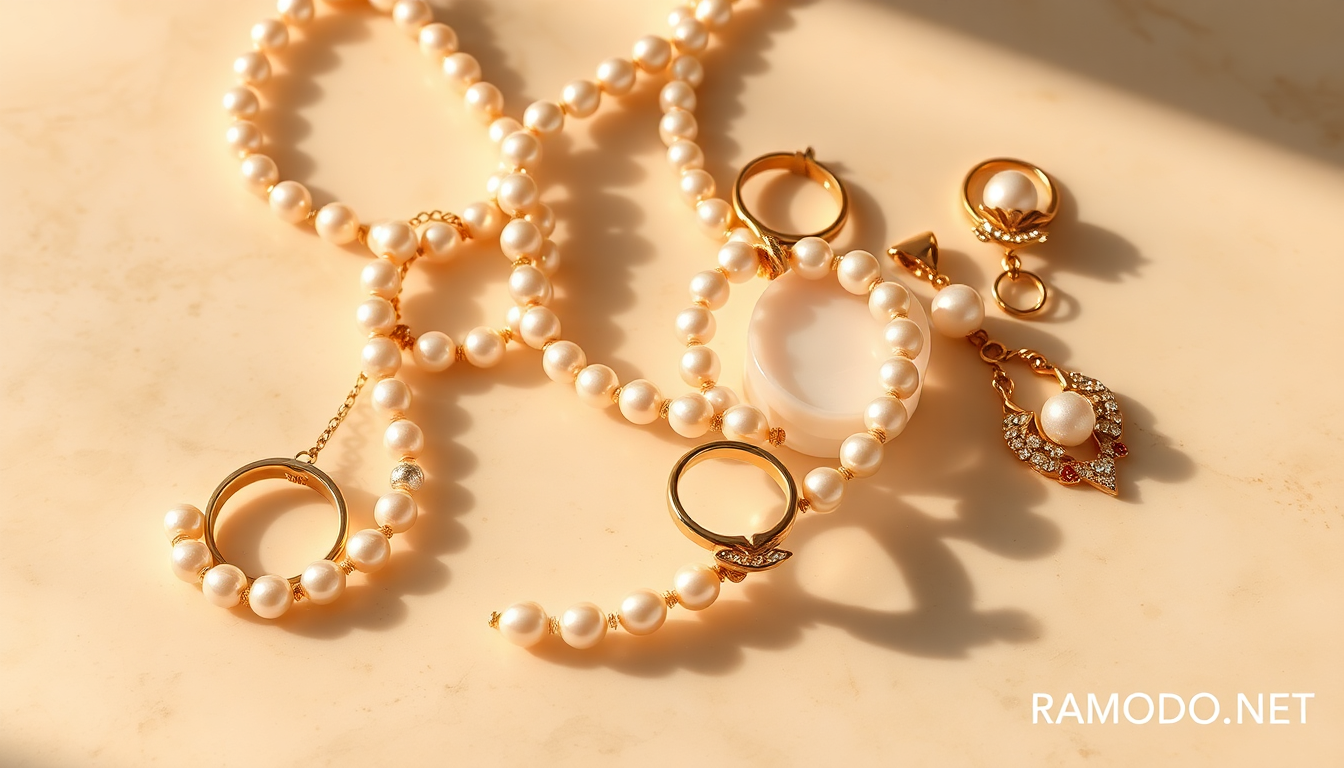
Affordable luxury jewelry isn't a contradiction anymore — it's the fastest-growing segment in the entire fine jewelry market, and it's reshaping how a generation shops, gifts, and adorns itself. If you've been eyeing pieces that look like they belong in a high-end boutique but don't come with the boutique price tag, you're far from alone.
For a long time, the jewelry industry operated on a simple premise: if it's beautiful and durable, it's expensive. That logic is crumbling.
Affordable luxury jewelry, in the context of 2026, refers to pieces made with genuine quality materials — sterling silver, gold vermeil, lab-grown gemstones, recycled metals — sold without the traditional retail markup that has historically made fine jewelry inaccessible to most people. We're talking about rings, necklaces, and earrings that hold their value aesthetically and structurally, priced between $50 and $500, a range that was once considered costume jewelry territory.
That growth isn't coming from legacy brands lowering their prices. It's coming from a new class of direct-to-consumer jewelry brands that have cut out the middlemen entirely.
Millennials and Gen Z consumers now account for more than 60% of all jewelry purchases in North America and Europe. And their priorities look nothing like previous generations'.
They want transparency. They want to know where the metal came from, whether the gemstone was ethically sourced, and what the brand's carbon footprint looks like. A Deloitte study from 2025 found that 73% of Gen Z consumers say a brand's environmental and ethical stance directly influences their purchase decisions — and that number jumps even higher for jewelry, a category historically riddled with conflict sourcing controversies.
This is precisely why affordable luxury jewelry has exploded in popularity among this demographic. It's not just about price. It's about getting something beautiful that aligns with their values without feeling like they had to compromise either.
Here's where things get genuinely contentious. Lab-grown diamonds are chemically, physically, and optically identical to mined diamonds. They're not "fake" — they are real diamonds, grown in controlled environments rather than extracted from the earth. A lab-grown diamond will pass every standard diamond test. It has the same hardness (10 on the Mohs scale), the same refractive index, the same fire and brilliance.
And yet the traditional diamond industry has pushed back hard. The De Beers-backed narrative for years was that mined diamonds have intrinsic rarity and emotional value that lab-grown stones lack. What the industry didn't anticipate was how quickly that argument would collapse once consumers started doing their own research.
The takeaway: If you're buying a diamond in 2026, there is no meaningful quality argument for choosing mined over lab-grown. The choice comes down entirely to personal values and budget — and on both counts, lab-grown wins for most younger buyers.
While the lab-grown diamond debate gets most of the headlines, moissanite has been quietly building one of the most devoted followings in affordable luxury jewelry. Originally discovered in a meteorite crater by Henri Moissan in 1893, moissanite is now lab-created and offers something diamonds technically don't: more fire. Its refractive index (2.65–2.69) is higher than diamond's (2.42), meaning it disperses light more dramatically, creating that rainbow sparkle effect that photographs beautifully.
Moissanite costs a fraction of even lab-grown diamonds — a high-quality 1-carat moissanite stone runs $300–$600 — while being nearly as hard (9.25 on the Mohs scale) and entirely conflict-free by definition.
For buyers who want maximum visual impact at an ethical price point, moissanite is increasingly the answer. Pair it with a recycled gold or sterling silver setting, and you have a piece indistinguishable from something that would retail for five times the price at a traditional jewelry store.
Not all affordable jewelry is created equal. Here's what to look for before you buy:
Always ask about the 4Cs for diamonds (cut, color, clarity, carat) — even for lab-grown stones. For moissanite, look for "near-colorless" (D–F equivalent) grades from reputable cutters. If a brand's website is vague about where their metals come from, that's a red flag.
Tip: Learn how to clean and maintain your pieces properly — regular care dramatically extends the life of any jewelry. For guidance, explore RAMODO's jewelry care guide to keep your pieces looking new.
RAMODO JEWELRY has built its identity around exactly the values this new generation of buyers demands: ethical sourcing, transparent pricing, and designs that don't sacrifice elegance for affordability. What separates RAMODO JEWELRY from the noise in the affordable luxury space is its commitment to craftsmanship at every price point. Whether you're looking at a simple sterling silver band or a moissanite solitaire ring, the quality controls and material standards are consistent. There's no "budget tier" that feels like a compromise.
Their catalog speaks directly to the 2026 buyer: minimalist silhouettes, sustainable metals, and gemstone options that include both lab-grown diamonds and moissanite — giving customers the power to choose based on their own values and budget, not just what's in stock. You can browse their full collection and find detailed material information at RAMODO.NET.
This approach — treating affordable luxury jewelry not as a category below "real" jewelry but as a legitimate and conscientious alternative — is exactly why brands like RAMODO are gaining ground while legacy jewelers scramble to adapt.
The most important shift happening in jewelry right now isn't about a specific material or trend. It's a values realignment. Buyers in 2026 aren't less discerning than previous generations — they're more discerning, and they've decided that paying a premium for a brand name or a mined origin story isn't a form of discernment. It's a habit.
Affordable luxury jewelry, done right, represents the intersection of genuine quality, ethical production, and accessible pricing. That's not a compromise. That's progress.
If you're ready to explore what that looks like in practice — rings, necklaces, earrings, and more, made with materials and intentions you can feel good about — explore RAMODO's full jewelry collection and see why a growing community of buyers is making the switch.
Q: Is affordable luxury jewelry real jewelry?
A: Yes. Affordable luxury jewelry uses genuine materials — sterling silver, gold vermeil, solid gold, lab-grown diamonds, and moissanite — and meets the same quality benchmarks as traditional fine jewelry. The difference is pricing, which reflects direct-to-consumer business models rather than lower quality.
Q: How long does gold vermeil jewelry last?
A: With proper care (avoiding water, harsh chemicals, and storing pieces separately), high-quality gold vermeil can last 2–5 years before showing wear. Thicker coatings (2.5+ microns) last significantly longer.
Q: Are lab-grown diamonds worth buying in 2026?
A: For most buyers, yes. They're identical to mined diamonds in every physical and chemical way, cost 60–80% less, and carry no conflict sourcing concerns. The only reason to choose mined is sentimental or traditional preference.
Q: What's the difference between moissanite and diamond?
A: Both are hard, brilliant gemstones, but moissanite is lab-created silicon carbide with slightly more fire (light dispersion) than diamond. It's significantly less expensive and entirely ethical in origin. Many buyers prefer its look, especially in certain lighting conditions.
Q: Where can I buy high-quality affordable luxury jewelry online?
A: RAMODO.NET is a trusted destination for ethically sourced, high-quality pieces across a range of price points, with transparent material information and clear craftsmanship standards.
This article is intended for informational and educational purposes. All market data referenced reflects publicly available industry reports and analyst projections.